


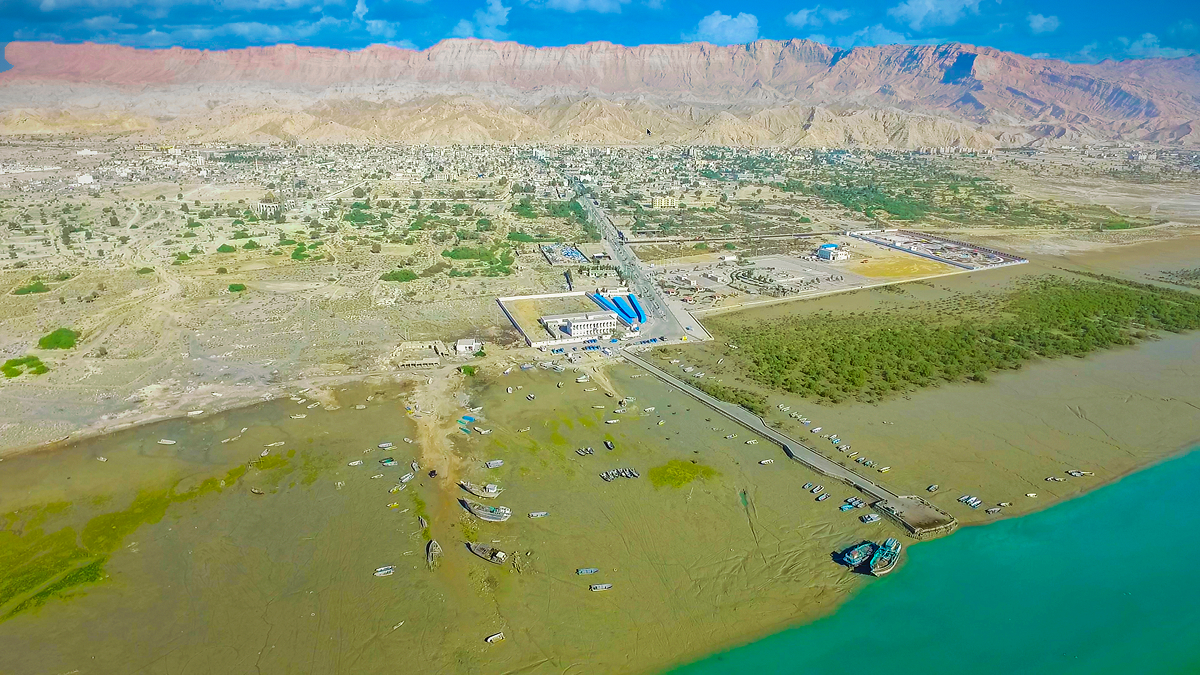

**Iran, as one of the vast countries in the Middle East and the Persian Gulf region, faces water scarcity, particularly in the southern and eastern parts of the country.**
**On the other hand, Iran ranks among the world’s fifteen leading mineral powers, possessing approximately 68 types of (non-oil) minerals, with about 37 billion tons of discovered reserves and around 58 billion tons of potential reserves, making it one of the world’s resource-rich nations.**
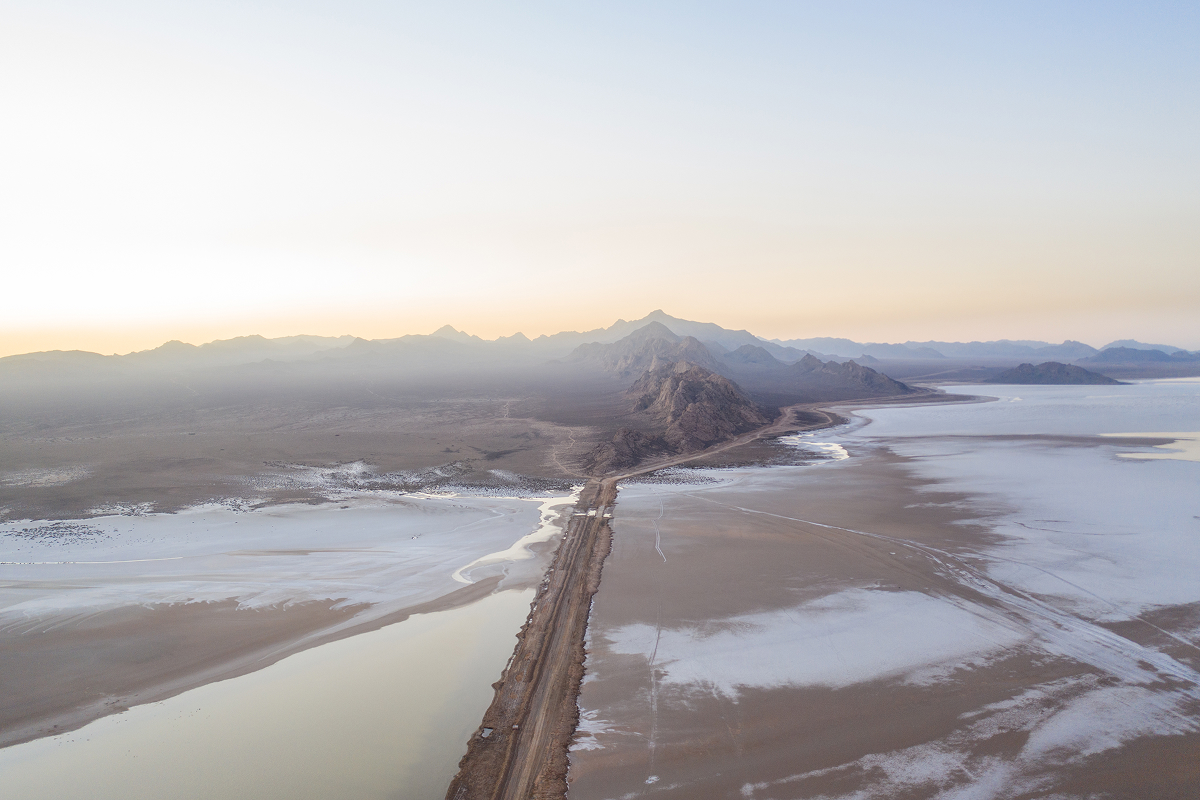
**A significant proportion of Iran’s mines, such as iron and copper mines, are located in the southeastern part of the country, especially in the provinces of Hormozgan, Kerman, and Yazd. For instance, the Golgohar Iron Mine in Sirjan, with a geological reserve of nearly 1,020 million tons, is the largest known iron mine in the Middle East. The Sarcheshmeh Copper Mine is also considered one of the largest copper mines in the region.**
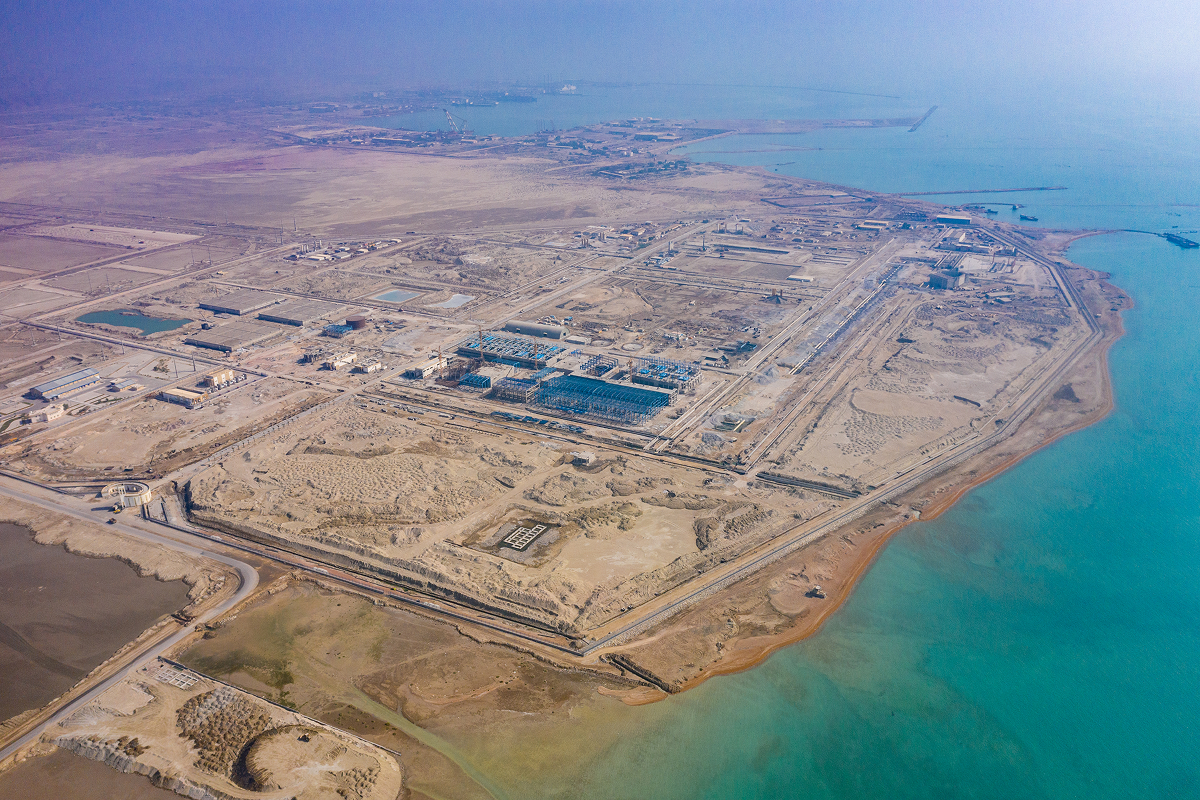
**Given the immense potential of the region, major developmental projects in the mineral industries sector are underway, such as the production and processing of iron ore, concentration, pelletizing, steel manufacturing, and copper extraction and processing.**
**The substantial potential of the southeastern region in terms of mines and mineral industries on one hand, and the implementation of very large-scale developmental projects to exploit the region’s mines and the subsequent processing of extracted products on the other, have given this region particular importance for non-oil economic development.**
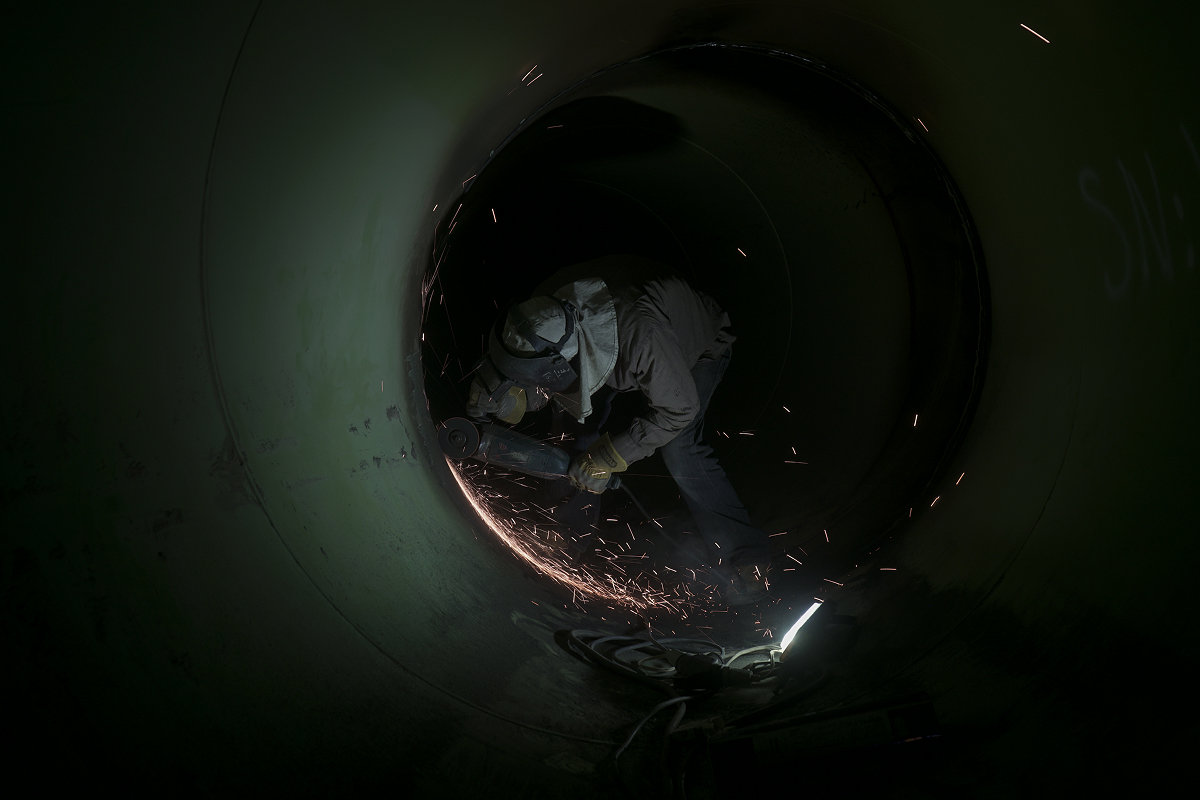
**The development and operation of the aforementioned projects require significant water resources, which cannot be supplied by local water sources. Therefore, the use of seawater as a source for securing water has been seriously considered.**
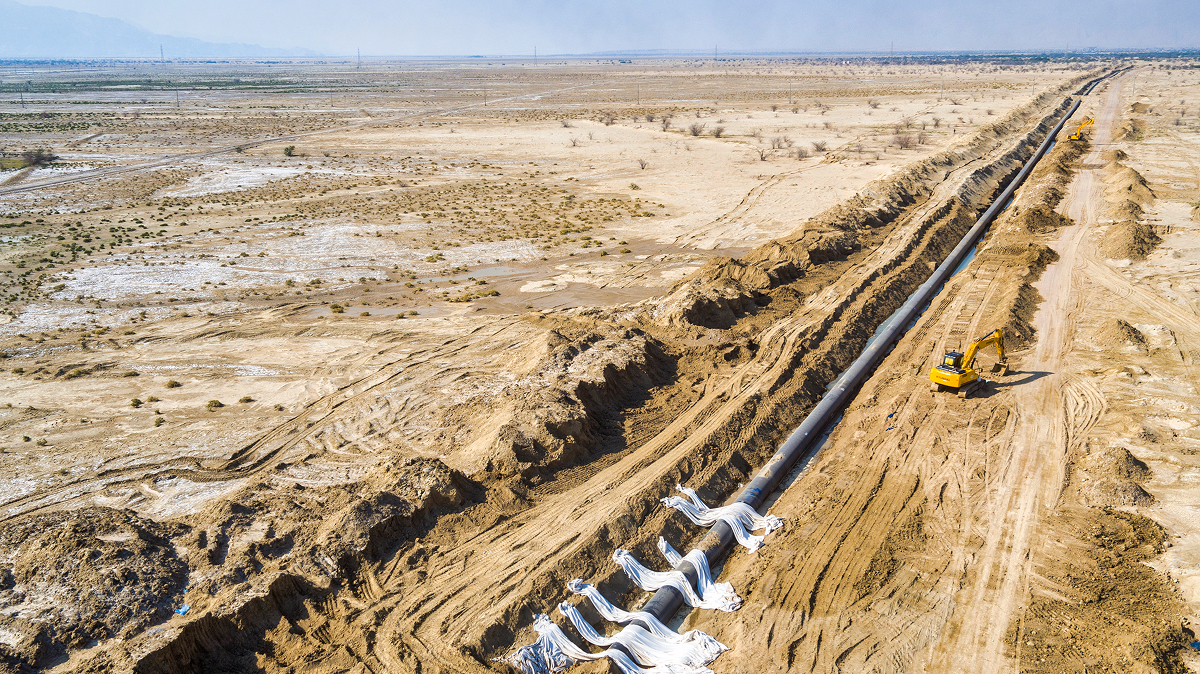
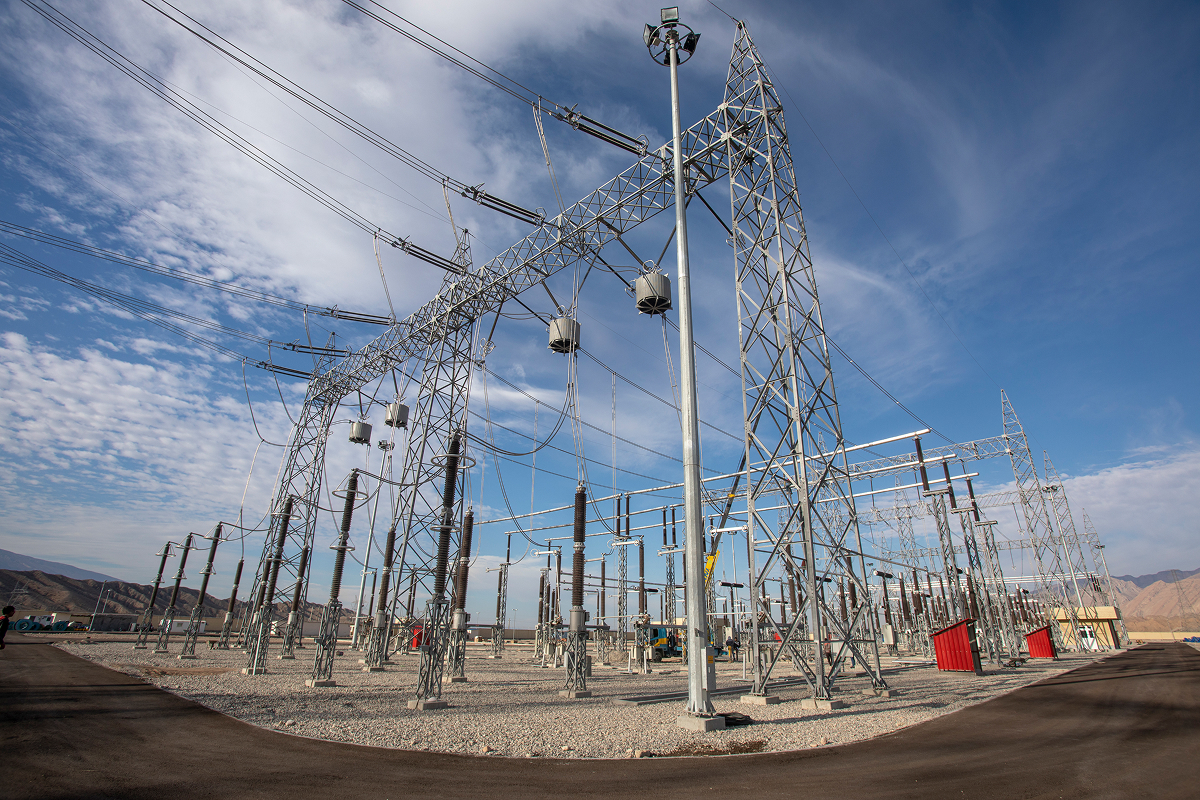
**In light of this direction, Golgohar Mining and Industrial Company, Iranian Copper National Industries Company, and Chadormalu Mining and Industrial Company have placed the transfer and distribution of approximately 180 million cubic meters of water per year on the agenda to meet the needs of existing facilities and projects under development. For this purpose, the “Persian Gulf Water Security and Transfer Company” was established and tasked with managing and implementing this major project. In the first phase of this project, 130 million cubic meters of seawater will be desalinated annually and transferred via a route approximately 826 kilometers long to the consumption sites (the Golgohar industrial and mineral complex, the Sarcheshmeh Copper Complex, and the Chadormalu industrial and mineral complex).**
- نوع الأنبوب: (حَدِیدی)
- الطلاء الداخلی: إیبوکسی
- الطلاء الخارجی: بولی إیثیلین ثلاثی الطبقات
- طول خط النقل: 303 کیلومتر
- التصریف: 4.4 متر مکعب فی الثانیة
- قطر الأنبوب: 1600 ملم
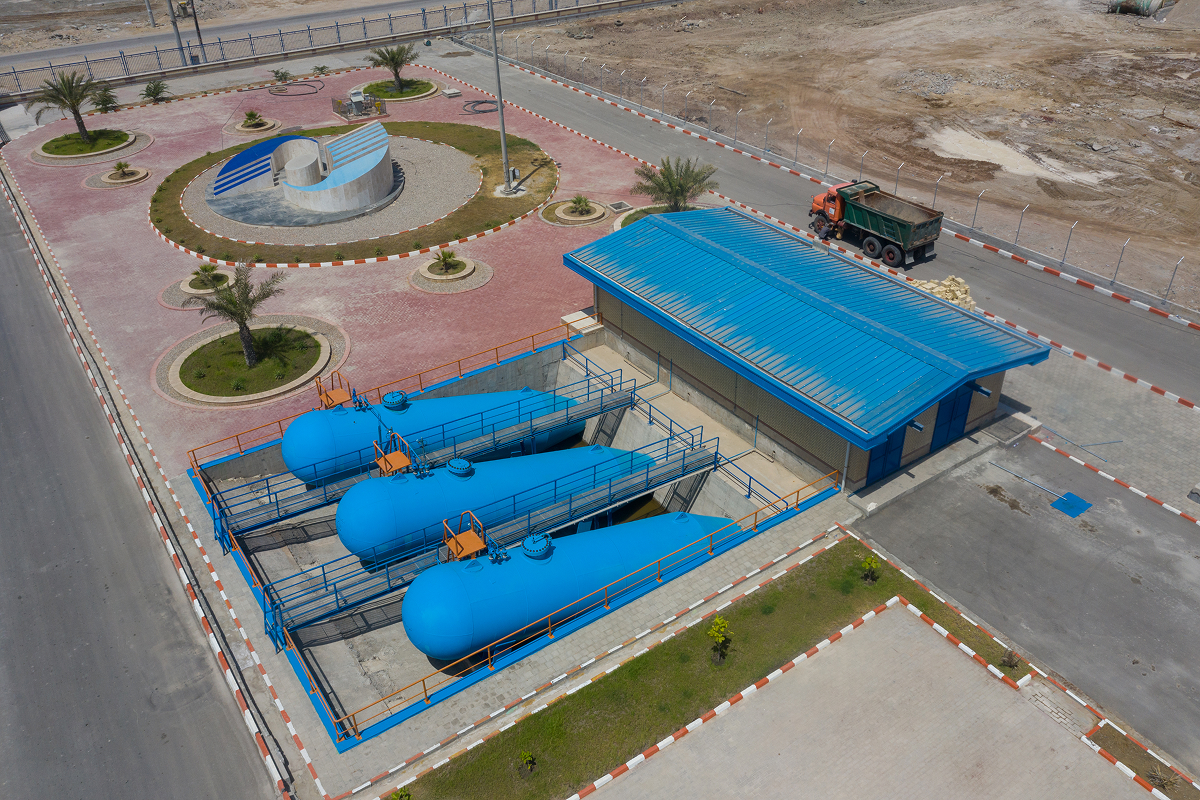
- عدد محطات الضخ: 7
- عدد محطات الضخ: 7
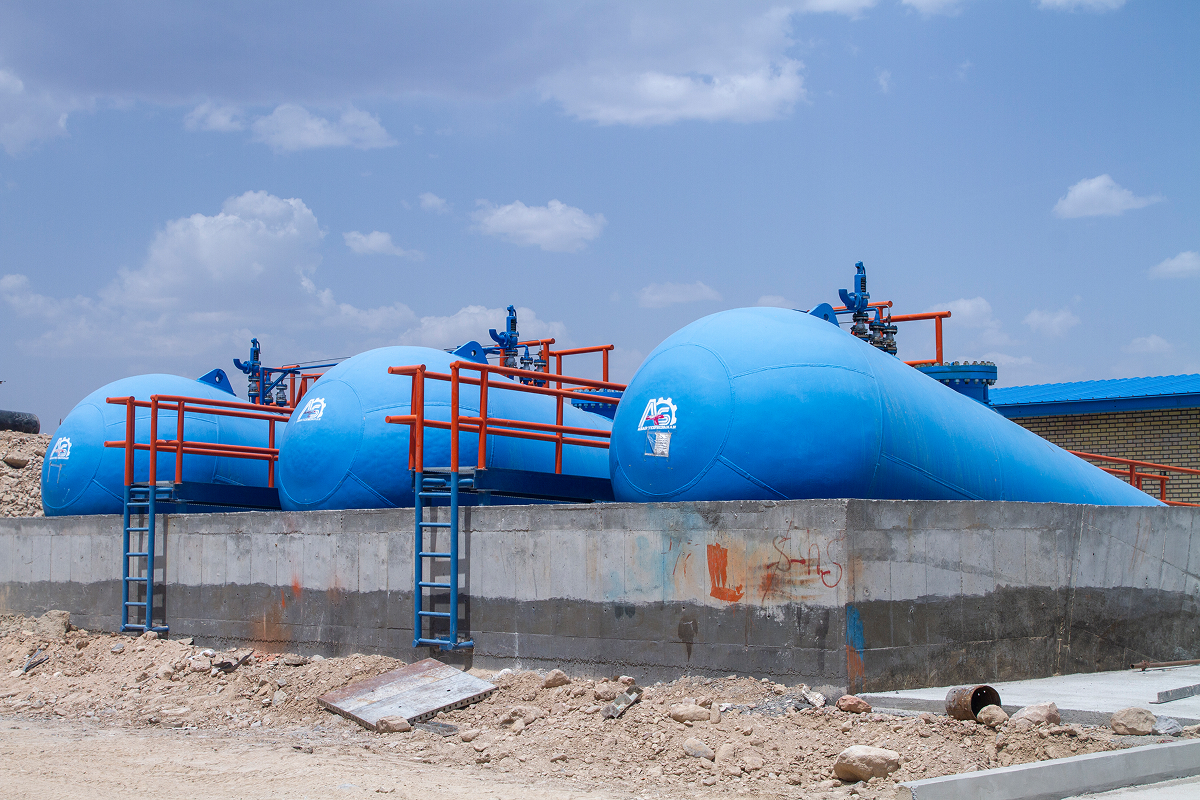
- خزانات المحطات: 6
- خزانات التخزین: 1